Teenage Mutant Ninja Turtles
1987 · ★ 7.8
185 classic animated series from six decades of television.
1987 · ★ 7.8
2002 · ★ 8.2
2004 · ★ 6.5
1981 · ★ 7.0

1989 · ★ 7.6
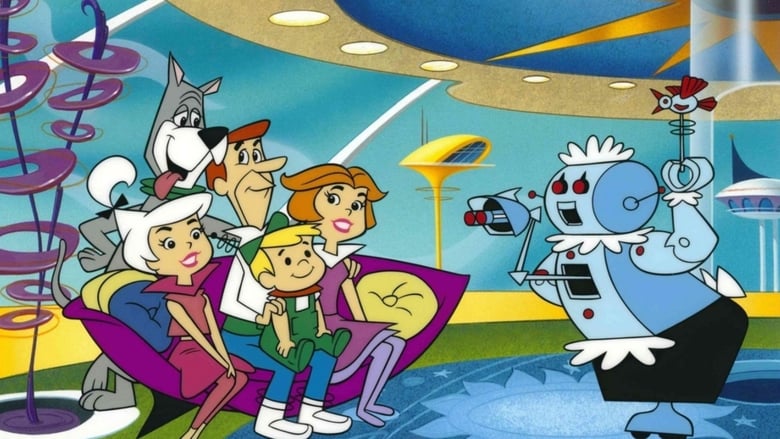
1962 · ★ 7.3
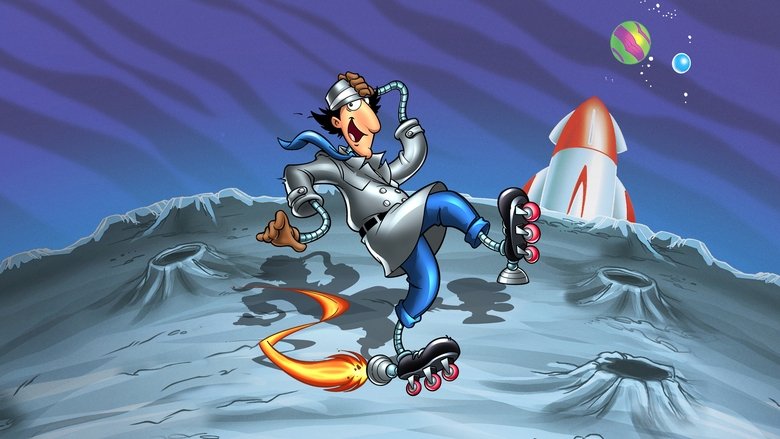
1983 · ★ 6.9

1984 · ★ 7.9
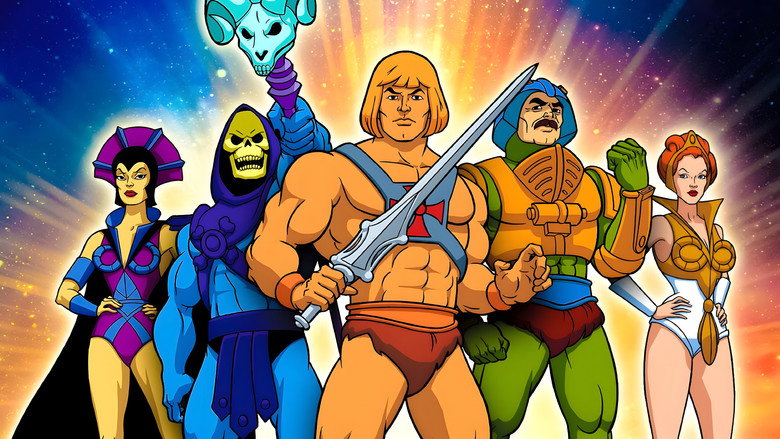
1983 · ★ 7.5
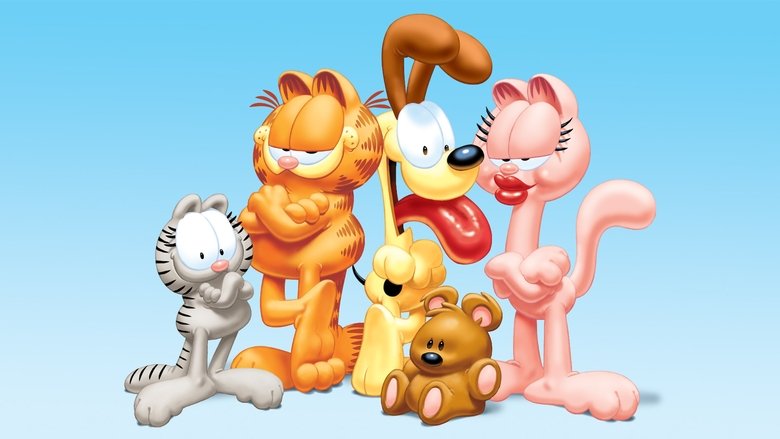
1988 · ★ 7.3

1961 · ★ 7.5
2000 · ★ 6.2
1961 · ★ 7.1
1968 · ★ 7.3
1965 · ★ 7.4
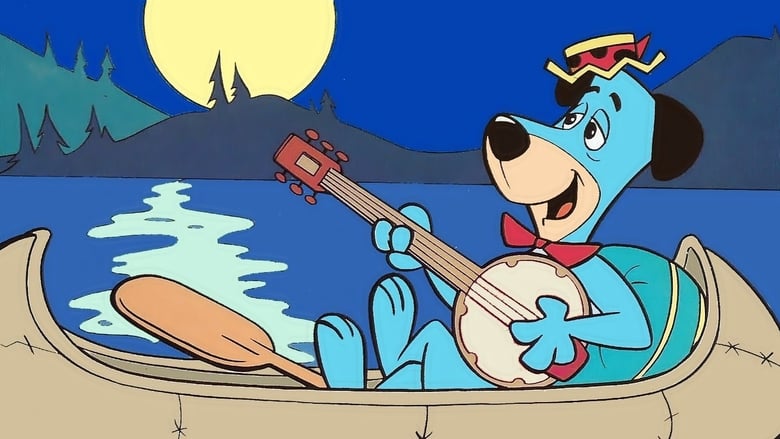
1958 · ★ 6.8
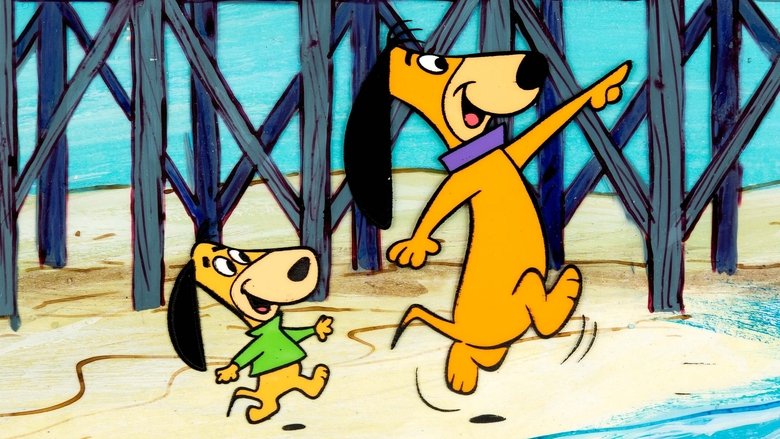
1959 · ★ 7.6
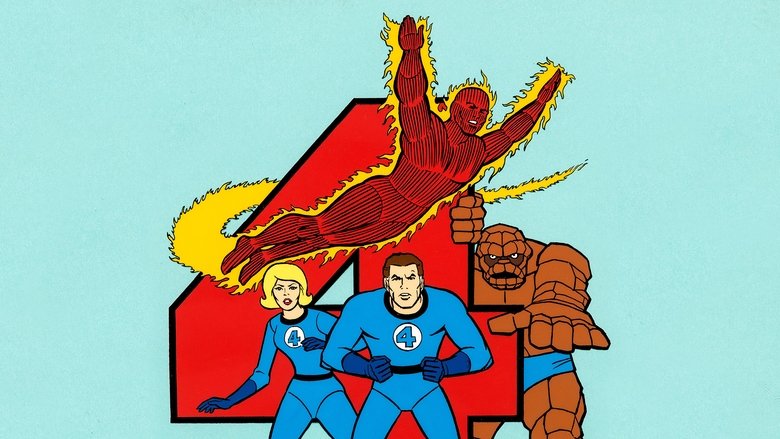
1967 · ★ 7.2
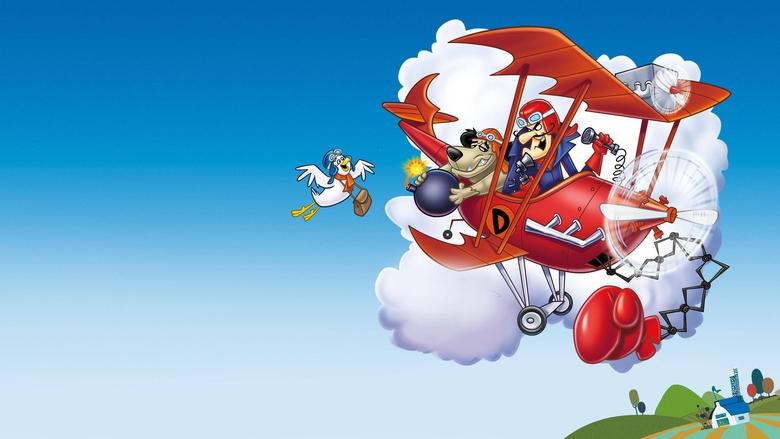
1969 · ★ 7.0
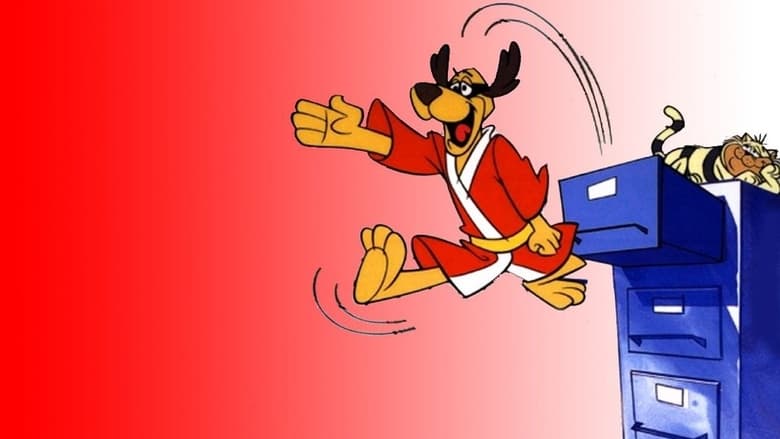
1974 · ★ 6.4
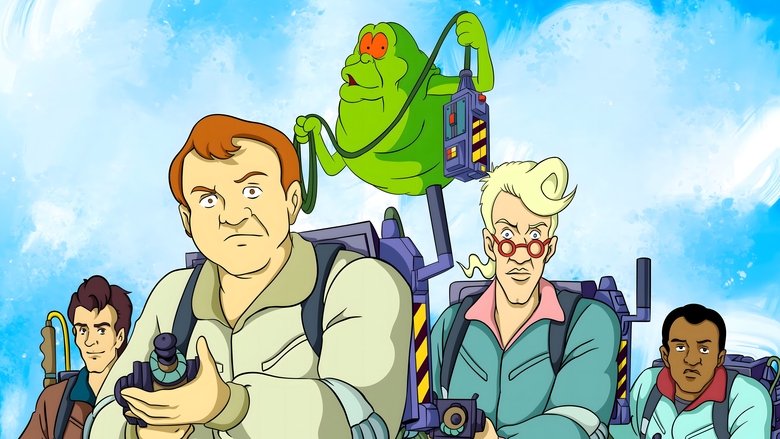
1986 · ★ 7.7
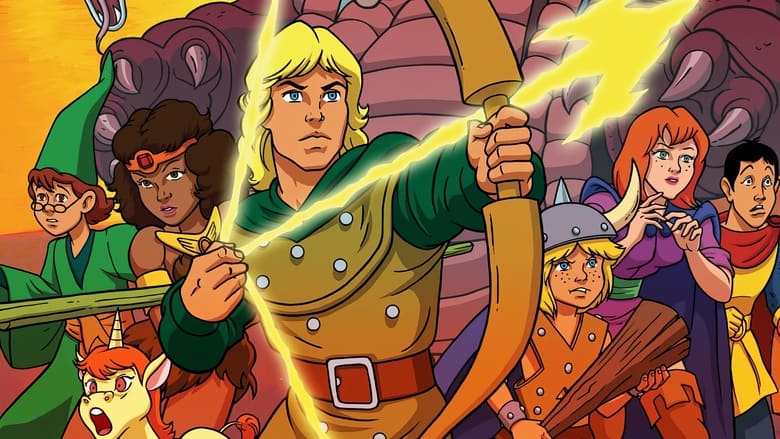
1983 · ★ 8.0
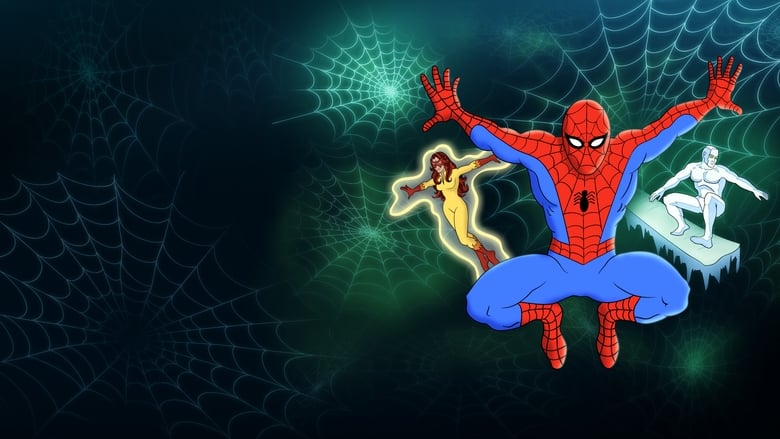
1981 · ★ 7.5

1967 · ★ 7.9
1988 · ★ 7.9
1986 · ★ 6.9
1984 · ★ 6.8
1999 · ★ 5.9
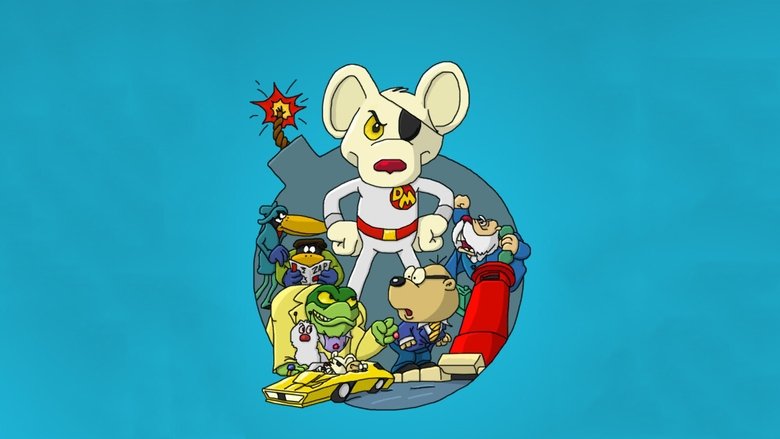
1981 · ★ 7.1
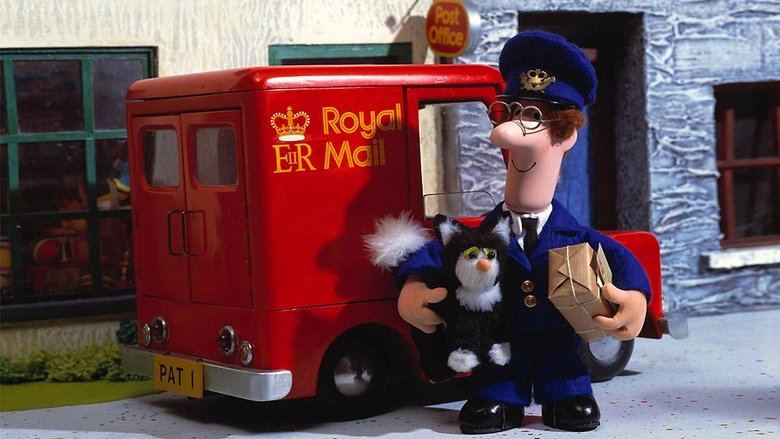
1981 · ★ 6.5
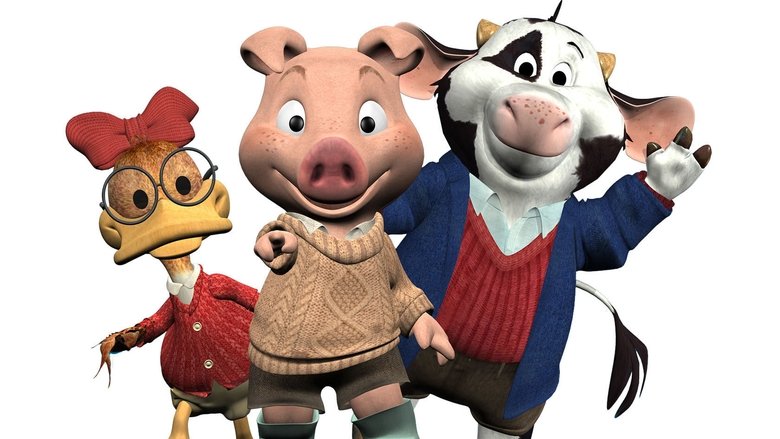
2003 · ★ 6.4
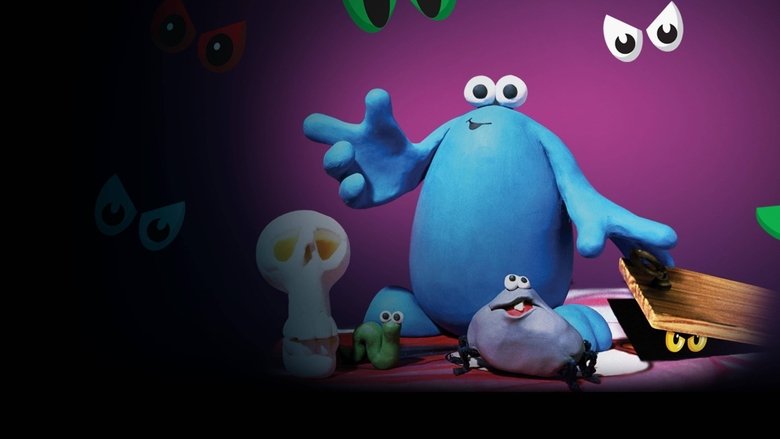
1986 · ★ 7.7
1985 · ★ 7.5
1996 · ★ 7.7
1995 · ★ 7.6
1984 · ★ 7.9
Everyone has a cartoon that takes them straight back to childhood: a bear stealing picnic baskets, a blue village under the mushrooms, a clumsy inspector with a helicopter in his hat, a white mouse with an eyepatch. Those series have outlived the television sets on which they were first seen, and parents and grandparents now take real pleasure in showing them to a new generation. TopCartoons is a guide to 185 classic animated series made between 1950 and 2004, each with its own page, its story, its seasons and a Watch now button that leads to the official services carrying it in your country.
Every series was looked at by hand before it was admitted. The selection keeps to cartoons made for children and families, and animation for adults and the more violent action series of the period were left out. What remains covers half a century of television: the first stars of the Hanna-Barbera studio, the adventure series of Saturday morning, the superheroes, the gentle hand-made films shown at teatime in Britain, the cartoons of the 1980s toy box, and the first play-along programmes for the very young.
This guide introduces them by studio, by kind and by decade, with a little history for the curious, and ends with plans for a first week. Each section links to a short help page, and the How to watch page sums up the simple steps from a picture card to the official service.
TopCartoons keeps the look of the site whose name it carries: a dark bar across the top with the name, the menu and the search box, and beneath it a clean white page filled with wide picture cards, four abreast. Each card shows a still from the series. A small yellow bar in the corner gives the number of seasons, a round play mark appears as the pointer passes over, and the title, the year and the average rating stand beneath.
The first group on the home page, Most watched, shows the twelve series with the most votes from viewers. Groups for Hanna-Barbera, Heroes, British classics and For little ones follow, then a list of every shelf with the number of series on it, the help pages and this guide. On a telephone the cards stand two abreast and the menu folds into a button.
For its first thirty years the cartoon belonged to the cinema: seven-minute films, drawn in great detail, shown before the main feature. Television changed everything. In the 1950s the cinemas stopped ordering shorts, and two veteran directors, William Hanna and Joseph Barbera, set up a studio to make cartoons for the small screen at a tenth of the old cost. Their method, called limited animation, moved only what had to move, a mouth, an arm, a pair of legs against a repeating background, and put the wit into the voices and the scripts. The Ruff and Reddy Show, from 1957, about a cat and a dog, was their first series, and it is on TopCartoons.
By the 1960s cartoons had a home of their own on American television, Saturday morning, when children were up and parents were asleep. The networks filled four hours with new series every autumn, and the studios of Hanna-Barbera, Filmation and Jay Ward competed for the slots. In the 1980s the rules on advertising to children were relaxed, toy companies began to pay for whole series, and cartoons were made for showing every weekday afternoon in sets of sixty-five episodes. The 1990s brought channels devoted to cartoons all day, and the first programmes designed with teachers for children under five.
Britain followed a different path. With only two or three channels and a short children's hour at teatime, the BBC and the independent companies commissioned small studios, some of them just two friends in a shed, to make short series by hand with puppets, paper and clay. Those films, quiet, odd and funny, are among the treasures of the catalogue. Of the 185 series here, 52 began before 1980, 53 in the 1980s, 33 in the 1990s and 47 between 2000 and 2004.
The Hanna-Barbera shelf is the largest studio shelf on TopCartoons, with 38 series, and the Hanna-Barbera help page arranges them in order. The Huckleberry Hound Show, from 1958, made the studio's name. Huckleberry is a slow-talking blue dog with a southern drawl who tries a new job each week, policeman, knight, lion tamer, and sings "Clementine" off key throughout. The series became the first animated programme to win an Emmy award, and its supporting cartoons were as popular as the star: Pixie and Dixie and Mr. Jinks, about two mice and a cat who "hates meeces to pieces", and a certain bear.
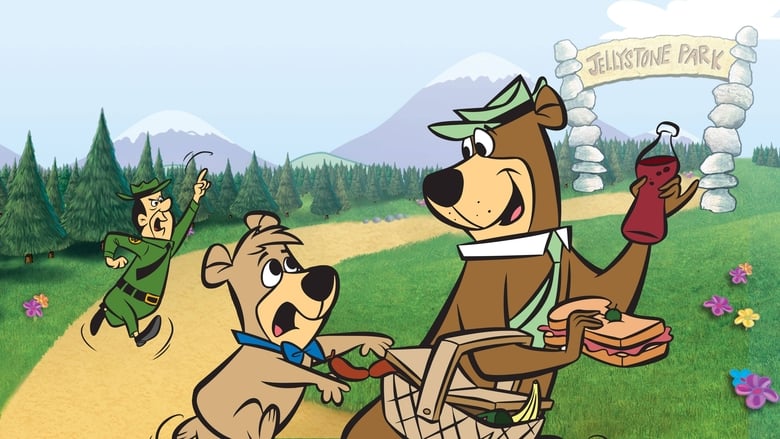
That bear was given his own programme in 1961. The Yogi Bear Show is set in Jellystone Park, where Yogi, who describes himself as "smarter than the average bear", plots to relieve the tourists of their picnic baskets, his small friend Boo-Boo counsels caution, and Ranger Smith tries to keep order. Yogi returned for decades, and three of his later series, Yogi's Gang, Yogi's Treasure Hunt and Yo Yogi!, are on the shelf.
Top Cat, also from 1961, was made for the evening, when adults were watching too. Top Cat, known to his close friends as T.C., is the smooth-talking leader of a gang of alley cats in Manhattan, who live in dustbins, borrow the policeman's telephone and are always one scheme away from riches. Officer Dibble, the patient policeman on the beat, is their opponent and, in his way, their friend. Only thirty episodes were made, and they have been shown continuously around the world ever since.
The Jetsons, from 1962, turned the studio's stone-age family comedy upside down and set it in the future. George Jetson works three hours a day pressing a button at a sprocket factory; his wife Jane, daughter Judy, son Elroy, dog Astro and robot maid Rosie live in a flat on a pole above the clouds, with flying cars, moving pavements, video telephones and a machine that produces dinner at a touch. A good deal of what the series imagined has since arrived. It ran for a single season of twenty-four episodes, was repeated for twenty years, and was revived with new episodes in the 1980s.
The studio's animal stars of the 1960s each have a series here: The Atom Ant Show, with the tiny superhero whose cry is "Up and at 'em!"; The Magilla Gorilla Show, about a gorilla who lives in a pet shop window waiting for a buyer; The Peter Potamus Show, with a hippo in a hot-air balloon; Wally Gator; Augie Doggie and Doggie Daddy, a devoted father and his clever son; and Ricochet Rabbit & Droop-a-Long. Space Ghost and Dino Boy and The Fantastic Four were the studio's first adventure series.
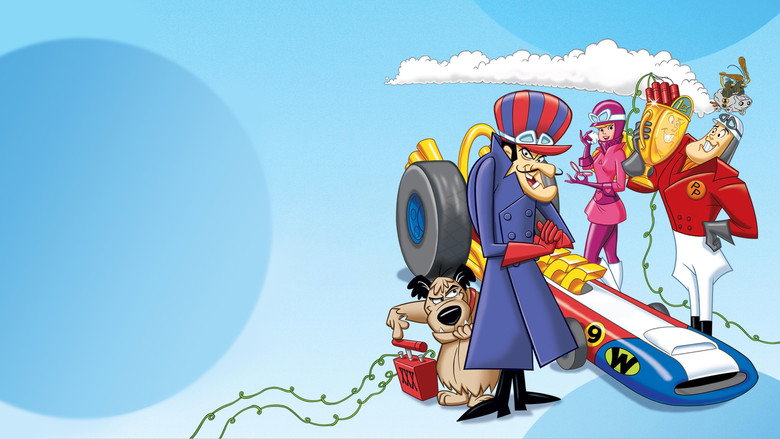
Wacky Races, from 1968, has one of the simplest and best ideas in cartoons: eleven extraordinary cars race across America, a different course every time. There are the Slag Brothers in a car made of rock, the Gruesome Twosome in a haunted house on wheels, Professor Pat Pending in a car that turns into anything, Penelope Pitstop in pink, and, in car double-zero, the villain Dick Dastardly and his wheezing dog Muttley, who set a trap in every race and have yet to win one. Children pick a favourite car and cheer for it.
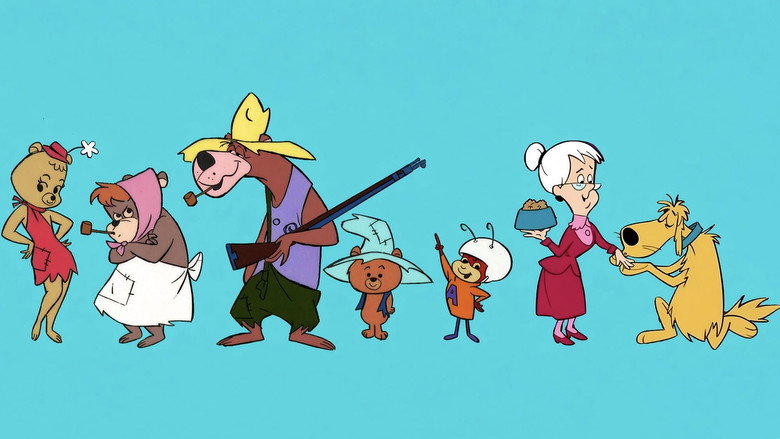
Two series grew from it. Dastardly and Muttley in Their Flying Machines puts the pair in the air, trying to catch a carrier pigeon, and The Perils of Penelope Pitstop gives the lady racer a serial adventure in the style of the silent films. The 1970s added Josie and the Pussycats, about a pop group on tour, and Josie and the Pussycats in Outer Space; Help!... It's the Hair Bear Bunch!, about three bears who slip out of the zoo at night; Hong Kong Phooey, in which a mild police-station caretaker leaps into a filing cabinet and emerges as a masked kung-fu hero, while his cat does the real work; and Jabberjaw, about a shark who plays the drums.
In the 1980s the studio had its greatest success of all with The Smurfs, described below, and made Snorks, Pac-Man, Shirt Tales, The Biskitts, Pound Puppies and Fantastic Max.
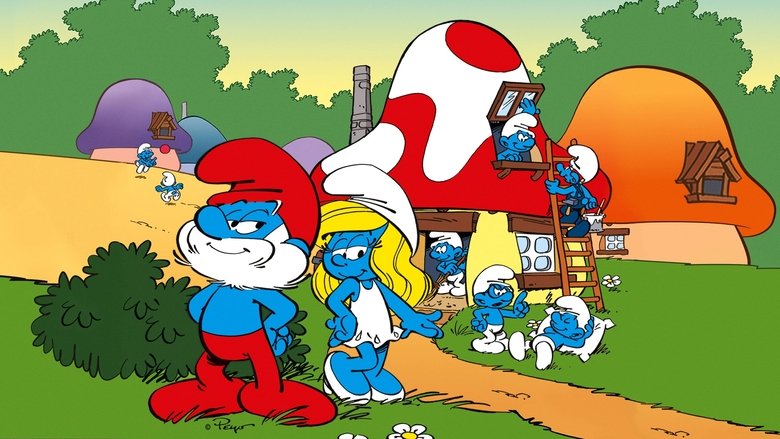
The Smurfs, which began in 1981, stands near the top of the Most watched group. The Smurfs are small blue people, "three apples high", who live in mushroom houses in a hidden village in the forest. They were created in 1958 by the Belgian comic artist Peyo, and each is named for his character: Brainy, Hefty, Jokey, Clumsy, Grouchy, Greedy and Handy, led by the wise, red-capped Papa Smurf, with Smurfette among them. Their enemy is the shabby wizard Gargamel, who lives in a ruined hovel with his cat Azrael and wants to catch them, sometimes to eat and sometimes to turn into gold.
The series ran for nine seasons and more than two hundred and fifty episodes, won two Emmy awards, and made the Smurfs known in every country. Its stories are gentle fables about living together: what happens when one Smurf is vain, or lazy, or tells a lie, and how the village puts it right. The background music is drawn from the classical composers, which gives the series an unusual grace, and small children still take to it at once.
The 1980s shelf is the largest of the decades, with 53 series, and the The 1980s help page picks out the essential ones. Inspector Gadget, from 1983, is the comedy of the decade. The Inspector is a detective fitted with a gadget for every occasion, springs in his legs, a helicopter in his hat, an inflatable coat, all of which go off at the wrong moment. He is cheerfully unaware that every case is really solved by his niece Penny, with her computer book, and her dog Brain, while the villain Dr. Claw, of whom only a gloved hand and a cat are ever seen, growls that he will get him next time.
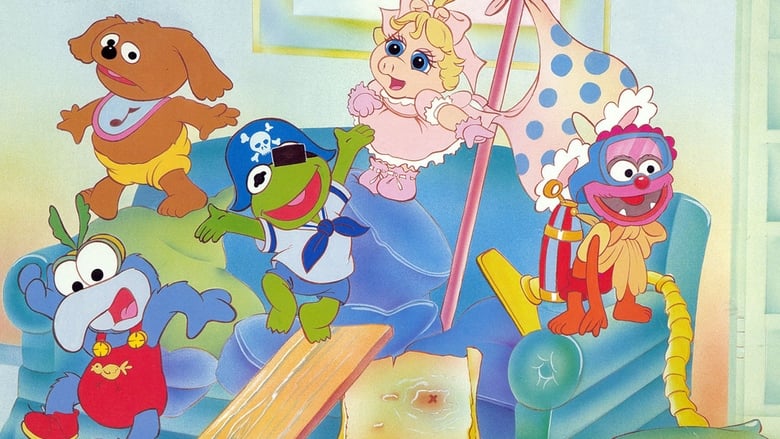
Muppet Babies, from 1984, shows Kermit, Piggy, Fozzie, Gonzo and Animal as toddlers in a nursery, looked after by a nanny of whom the viewer sees only striped stockings. Each story begins with a game and takes off into imagination, with scenes from famous films mixed into the drawing. It won the Emmy for the best animated programme four years running. Garfield and Friends, from 1988, brought the lazy orange cat of the newspaper strip to television for seven seasons, with his owner Jon, the dog Odie and a second cartoon set on a farm. Dennis the Menace and Heathcliff and the Catillac Cats came from the comics too.
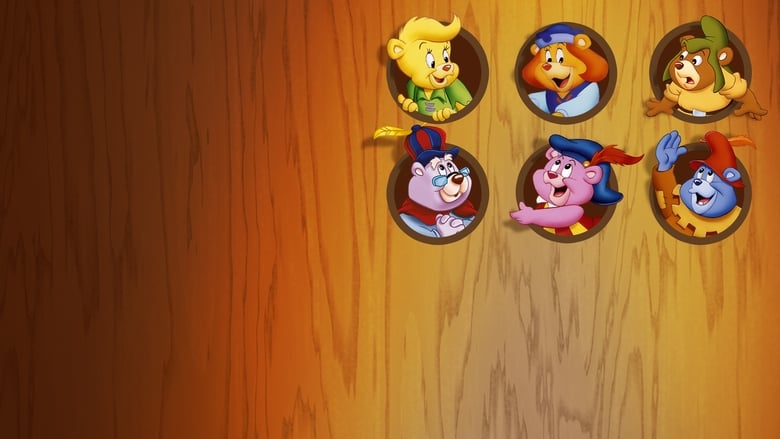
Disney entered television animation in 1985 with Disney's Adventures of the Gummi Bears, about a family of bears in a medieval forest who bounce with the help of a secret juice, and went on to The New Adventures of Winnie the Pooh, which won two Emmy awards, and Chip 'n' Dale Rescue Rangers, in which the two chipmunks run a small detective agency with an inventor mouse and a cheese-loving Australian. The quality of the drawing in these series was a step above anything else of the time, and it raised the standard for everyone.
The toy box supplied much of the rest. The Transformers, from 1984, tells of two tribes of robots from a distant planet who can change into cars, lorries and aeroplanes. He-Man and the Masters of the Universe is about a prince with a magic sword, and ends each adventure with a short lesson for the audience. The Care Bears, My Little Pony, Rainbow Brite, Wuzzles and The Adventures of Teddy Ruxpin were made for younger children, and the Toys and games shelf, with 21 series, and the Toys and games help page gather them together with the cartoons of video games, Pac-Man and The Super Mario Bros. Super Show!.
Dungeons & Dragons, from 1983, deserves a word to itself. Six children step on to a fairground ride and are carried into a world of dragons and magic, where a small, mysterious guide gives each of them a magical weapon and a riddle, and they spend three seasons looking for the way home. It is one of the best-written adventure series of its time and has the highest rating on the 1980s shelf; it suits children of eight and over.
The Heroes shelf holds 27 series, and the Heroes help page divides them into superheroes, secret agents and teams. The superheroes of the comic books came to television in the 1960s. The Marvel Super Heroes, from 1966, was made almost directly from the printed pages. Spider-Man, from 1967, gave the world a theme song that everyone can still sing, and its hero swinging between the towers of New York is one of the lasting images of the decade. The Fantastic Four, Aquaman, Space Ghost and Dino Boy and Moby Dick and Mighty Mightor date from the same years.
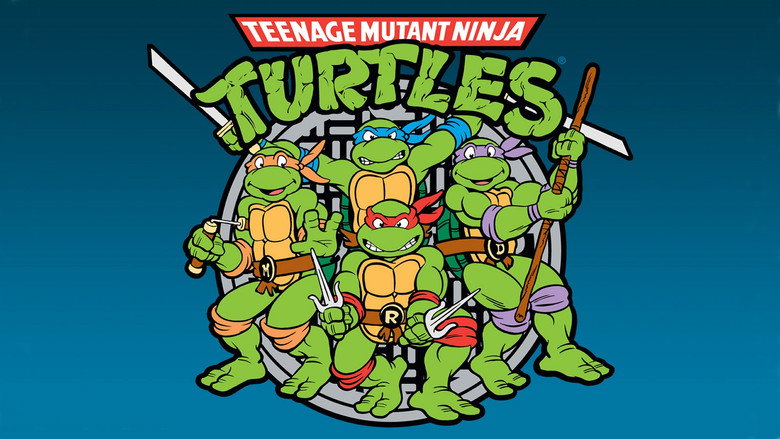
The 1970s and 1980s brought The New Adventures of Batman, Spider-Woman, Super Friends: The Legendary Super Powers Show, Spider-Man, from 1981, and Spider-Man and His Amazing Friends, in which the hero shares a flat and his adventures with Iceman and Firestar. Teenage Mutant Ninja Turtles, from 1987, has the largest audience of any series on TopCartoons. Four turtles, changed by a mysterious ooze and trained in a sewer by a wise rat, protect New York from the armoured Shredder, and eat an astonishing amount of pizza. Leonardo leads, Donatello invents, Raphael jokes and Michelangelo enjoys himself, and the series ran for ten seasons.
The secret agents are funnier. Danger Mouse, from 1981, made in Manchester, is the greatest secret agent in the world, a white mouse with an eyepatch who lives in a red pillar box in London and saves the planet weekly from the toad Baron Greenback, hindered by his timid assistant Penfold. The scripts are full of jokes for parents, the narrator keeps losing his place, and the series was a success in America as well as at home. Bananaman, about a schoolboy who becomes a superhero when he eats a banana, Batfink, whose wings are "like a shield of steel", Inspector Gadget and Hong Kong Phooey belong to the same merry company.
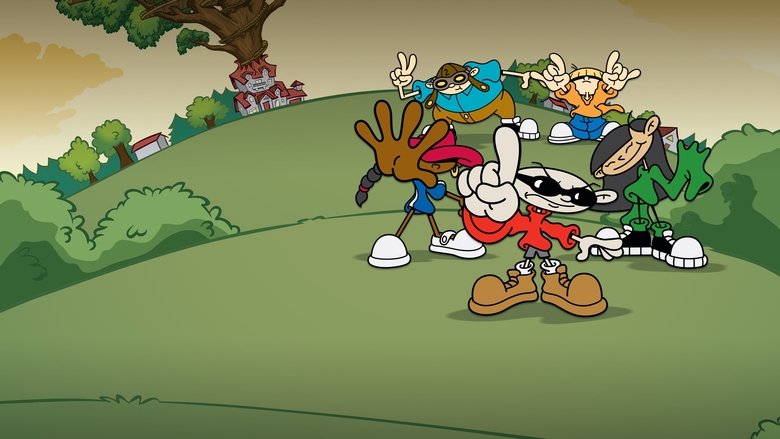
Among the teams, The Real Ghostbusters, from 1986, continued the adventures of the four ghost catchers of the famous film and their green companion Slimer, with stories that were clever and only mildly spooky; Slimer! and the Real Ghostbusters followed. From the last years of the catalogue come Codename: Kids Next Door, from 2002, in which five ten-year-olds wage a secret campaign from a giant treehouse against the tyranny of bedtimes and broccoli, with gadgets built of planks and chewing gum; Teamo Supremo; Super Robot Monkey Team Hyperforce Go!; and Megas XLR, about two friends from New Jersey and a giant robot from the future with a car for a head. Both the first and the last of these have ratings above eight out of ten.
The British classics shelf holds 47 series, and the British classics help page introduces them. Many were made by tiny studios, and the smallest of all was Smallfilms: the writer Oliver Postgate and the artist Peter Firmin, working in a disused cowshed in Kent. They made Noggin the Nog, a saga of a gentle Viking king; Ivor The Engine, about a small Welsh locomotive who wants to sing in the choir; Clangers, from 1969, about a family of pink, knitted, mouse-like creatures who live on a small blue planet, speak in whistles and eat soup supplied by a dragon; and Bagpuss, from 1974.
Bagpuss is an old, saggy, pink-and-white cloth cat who lives in the window of a shop where lost things wait for their owners. A girl called Emily brings him broken things she has found; when she leaves, he wakes, and with him the mice on the mouse organ, a rag doll, a toad with a banjo and a wooden woodpecker, who mend the object and tell its story in songs. Only thirteen episodes were made. In a national poll years later it was voted the best-loved children's programme the BBC had ever shown.
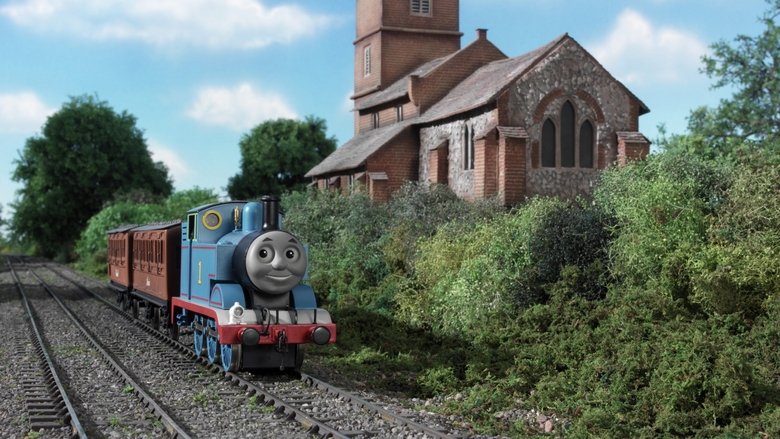
The village series of Gordon Murray, Trumpton and Chigley, show a perfect small English town in stop motion, with its fire brigade, its clock and its tradesmen, each with a song. Postman Pat, from 1981, follows the postman of the dale of Greendale and his black-and-white cat on their morning round. Thomas & Friends, from 1984, based on the railway stories of the Reverend W. Awdry, used real model engines on a great layout, with a single narrator doing all the voices; it ran for more than twenty seasons and is the longest runner in the catalogue. Mr. Benn, Mr. Men, Bod, The Flumps, Mary, Mungo and Midge, Pigeon Street, Gran and Willo the Wisp are short, quiet pleasures of the 1970s and early 1980s.
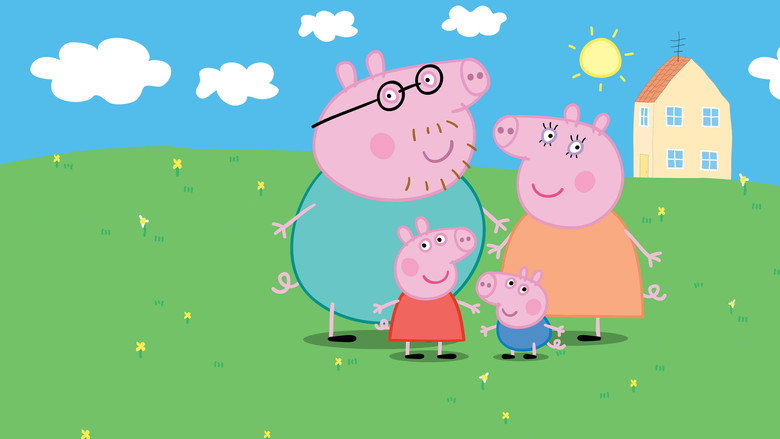
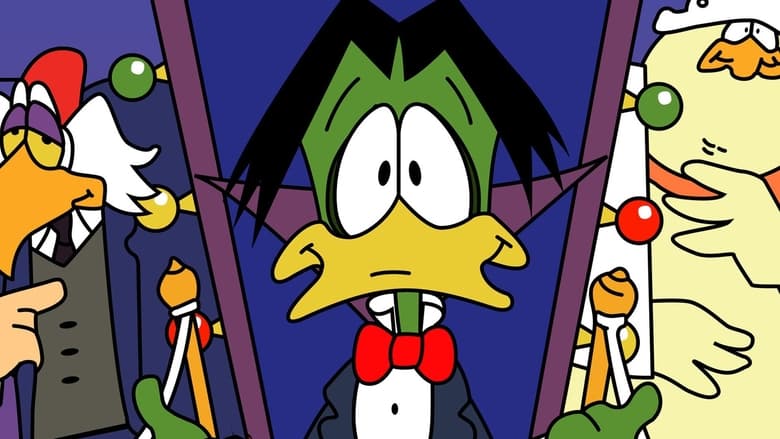
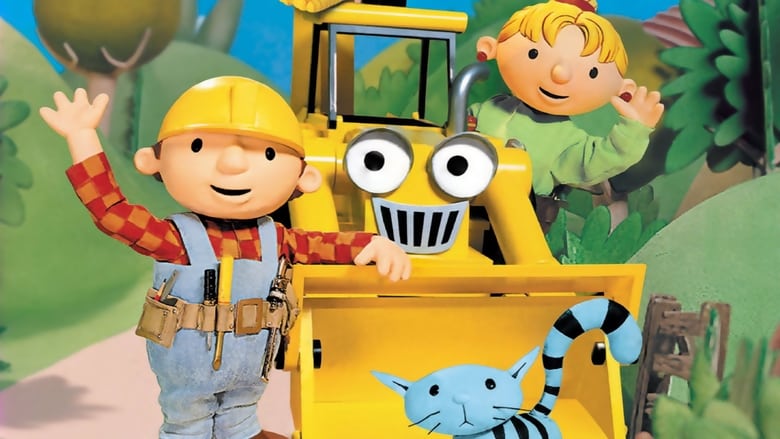
The Cosgrove Hall studio of Manchester, besides Danger Mouse, made Count Duckula, about a vampire duck who, through an accident with a bottle of tomato sauce, has turned out a vegetarian, and The Wind in the Willows, a stop-motion version of the classic book with puppets of great beauty. The Trap Door, The Family-Ness, Jimbo and the Jet Set and Doctor Snuggles followed, and the 1990s and 2000s added Noddy's Toyland Adventures, Kipper, Maisy, Bob the Builder, with its famous question "Can we fix it?", Angelina Ballerina, The Koala Brothers, Little Red Tractor and, in 2004, Peppa Pig, which has since become one of the best-known cartoons in the world.
The Comedy shelf holds 78 series, and the Comedy help page names the sharpest. The Bullwinkle Show, which began in 1959, is the wittiest American cartoon of its age. Rocky, a flying squirrel, and Bullwinkle, a slow, good-natured moose, of Frostbite Falls, Minnesota, are pursued through serial adventures by two inept spies, Boris and Natasha. The drawing is rough and the writing is brilliant: puns in every title, a narrator who argues with the characters, and jokes about politics and television that sail over children's heads to the adults behind them. The same producer, Jay Ward, made George of the Jungle, whose hero swings confidently into trees.
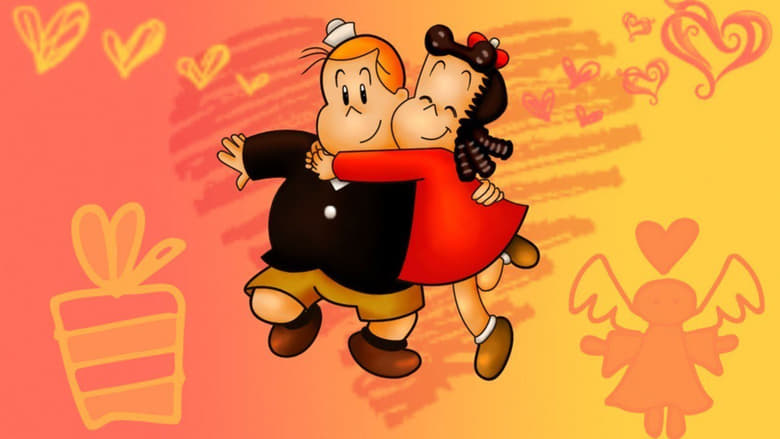
Felix the Cat, from 1958, revived the first cartoon star of the silent screen and gave him a magic bag of tricks that can become anything he needs. The Gumby Show, which began in 1956, is about a boy made of green clay who can walk into any book, and it was among the first series made in clay animation. The Twisted Tales of Felix the Cat, The Little Lulu Show, from the comic strip about a girl who outwits the boys' club every time, Garfield and Friends, Count Duckula and Tutenstein, about a boy pharaoh who wakes in a modern museum and expects to be obeyed, are other strong choices.
The Animal stars shelf is the broadest, with 91 series, since the talking animal is the oldest character in cartoons, and the Animal stars help page sorts them by species. Cats are the comedians: Top Cat, Felix the Cat, Garfield, Heathcliff and the scheming Mr. Jinks. Dogs are the faithful ones: Huckleberry, Augie Doggie, Clifford the Big Red Dog, who is as tall as a house and as gentle as a puppy, Clifford's Puppy Days and Pound Puppies.
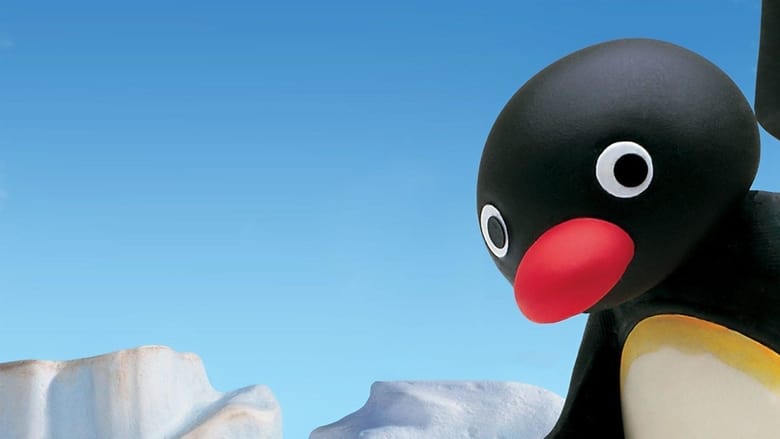
Bears have a shelf of their own in all but name: Yogi, The New Adventures of Winnie the Pooh and The Book of Pooh, Disney's Adventures of the Gummi Bears, The Care Bears, both series of the Berenstain Bears, The Berenstain Bears from 1985 and The Berenstain Bears from 2003, The Adventures of Paddington Bear and The Secret World of Benjamin Bear. Mice and smaller creatures include Danger Mouse, Chip 'n' Dale Rescue Rangers, The Raccoons, a Canadian series with a strong feeling for the forest, The Adventures of Blinky Bill, about an Australian koala, Pingu, the clay penguin whose honking language is understood everywhere, and Franklin, the turtle who can count by twos and tie his shoes.
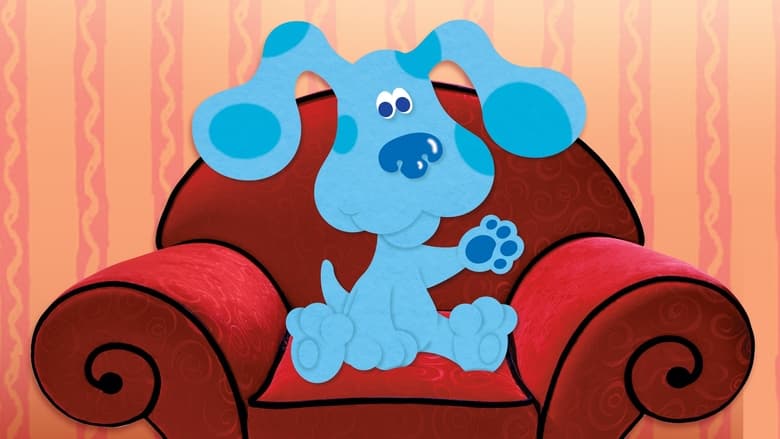
The For little ones shelf holds 67 series for children under six, and the For little ones help page lists the gentlest. The late 1990s changed television for small children. Blue's Clues, from 1996, was designed with researchers who studied how children watch. A young man in a striped shirt lives in a picture-book house with a blue puppy, who leaves three paw prints on three objects as clues to what she wants; he looks straight at the camera, asks for help, and waits, really waits, for the child at home to answer. The same episode was shown five days running, because children learn by repetition. It was the model for everything that followed.
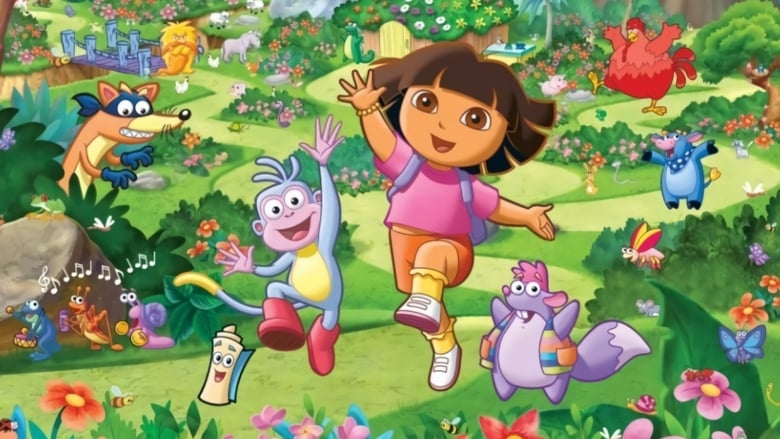
Dora the Explorer, from 2000, used the same pauses for a different purpose. Dora, a girl of seven, sets off on a journey in every episode with her monkey friend Boots, a talking map and a backpack, passes three landmarks, outwits a sneaky fox, and teaches a few words of Spanish on the way. The Backyardigans, from 2004, has five animal friends whose back garden becomes a jungle, a pirate sea or the Arctic, with four new songs in each story in a different musical style every time, from tango to rock and roll; it has one of the highest ratings on the shelf.
The storybook series are quieter. Max & Ruby is about a bossy rabbit and her small, determined brother. Kipper is a dog with a basket and a few good friends, drawn with great simplicity. The Busy World of Richard Scarry brings the crowded pages of the famous picture books to life. Rolie Polie Olie, set on a planet where everything is round, was one of the first series made wholly by computer. Oswald, Peep and the Big Wide World, Maisy, 64 Zoo Lane, Harold and the Purple Crayon, Timothy Goes to School, Maggie and the Ferocious Beast, Miss Spider's Sunny Patch Friends, Higglytown Heroes and JoJo's Circus are others worth knowing.
The Adventure shelf holds 47 series of quests, space travel and fantasy. Besides Dungeons & Dragons, The Transformers and the superheroes, it offers Jungle Cubs, which shows the animals of a famous jungle story as youngsters; The Adventures of Teddy Ruxpin, a long serial about a bear and his airship; Moby Dick and Mighty Mightor, with a hero of the stone age; and The Space Kidettes among the stars. For children who enjoy mystery there are Gadget & the Gadgetinis and Sabrina's Secret Life, and for those who enjoy history, This Is America, Charlie Brown, in which the Peanuts gang visit great moments of the American past.
The 1950s to 1970s shelf holds 52 series, and the The early years help page lists the landmarks. These are the cartoons that grandparents remember, and they have a look of their own: flat colours, thick outlines, backgrounds that slide past again and again, and voices of enormous character. Many of the voices were the work of a handful of actors. Daws Butler was Yogi, Huckleberry, Mr. Jinks, Wally Gator and Augie Doggie; Don Messick was Boo-Boo, Ranger Smith, Muttley and, later, Papa Smurf; Mel Blanc and June Foray were everywhere.
The oldest series on TopCartoons is The Gumby Show, from 1956, followed by The Ruff and Reddy Show, Felix the Cat, The Huckleberry Hound Show, Pixie and Dixie and Mr. Jinks, Augie Doggie and Doggie Daddy, The Bullwinkle Show, Noggin the Nog and Ivor The Engine, all from the 1950s. The 1960s shelf of 28 includes Top Cat, The Yogi Bear Show, The Jetsons, The Atom Ant Show, Batfink, George of the Jungle, Spider-Man, Wacky Races and Clangers; the 1970s added Josie and the Pussycats, Mr. Benn, Bagpuss, Hong Kong Phooey, Jabberjaw and Doctor Snuggles.
Younger viewers sometimes need a moment to adjust to the simpler drawing. Two things help. Choose a series with strong jokes, Top Cat or Wacky Races, since laughter gets past any strangeness, and watch one seven-minute story at a time, as they were made to be seen. Before long the catchphrases are being repeated at the supper table.
The 1990s shelf holds 33 series and 2000 to 2004 holds 47; the The 1990s and after help page describes both. The best-known cartoons of the 1990s are in other guides, and what TopCartoons keeps from the decade are its quieter successes: The Little Lulu Show, The Busy World of Richard Scarry, Franklin, Blue's Clues, Kipper, Rolie Polie Olie, PB&J Otter, Bob the Builder, The Adventures of Paddington Bear, Noddy's Toyland Adventures, The Adventures of Blinky Bill, Jungle Cubs and Mickey Mouse Works, a collection of new short cartoons with Mickey, Donald and Goofy in the old style.
The first years of the new century were rich in series for the young: Dora the Explorer, Clifford the Big Red Dog, Max & Ruby, The Book of Pooh, Stanley, Sagwa The Chinese Siamese Cat, George Shrinks, Jakers! The Adventures of Piggley Winks, in which an Irish grandfather pig tells stories of his boyhood, Strawberry Shortcake, The Berenstain Bears, Tutenstein, Codename: Kids Next Door, The Backyardigans, Megas XLR and Peppa Pig.
The Long runners shelf gathers the 42 series that lasted four seasons or more, and the Long runners help page lists them; the Top rated shelf gathers the 36 series rated 7.5 or more out of ten by viewers. The Decade by decade help page links to all the shelves by date.
A good share of the gentler series in the catalogue come from Canada, whose studios have specialised for forty years in turning picture books into television. The Raccoons, from 1985, set in the Evergreen Forest, was one of the first cartoons with a quiet concern for nature, and its pink aardvark tycoon is a villain children enjoy. Franklin, Max & Ruby, The Busy World of Richard Scarry, Timothy Goes to School, George Shrinks, about a boy three inches tall, Seven Little Monsters, from the drawings of Maurice Sendak, Maggie and the Ferocious Beast, Elliot Moose and Jacob Two-Two all keep the look of their books, with soft colours and unhurried stories.
From Australia come The Adventures of Blinky Bill, the mischievous koala who is a national favourite, and The Koala Brothers, made with British partners, about two brothers who fly a small yellow aeroplane across the outback to help their neighbours. From the United States public television came Clifford the Big Red Dog, Sagwa The Chinese Siamese Cat, set in old China and created by the novelist Amy Tan, and Maya & Miguel, about a pair of twins and their lively family. What these series share is a respect for the pace of a small child, and a belief that a story about lending a toy or making a friend is adventure enough.
Half the fun of the classic cartoons is the language they left behind, and listening for it makes a good game. "Smarter than the average bear" belongs to Yogi. "Wowsers!" is the Inspector's. "Stop the pigeon!" is the order shouted in Dastardly and Muttley in Their Flying Machines, and Muttley's wheezing snigger needs neither words nor translation. "Good grief" comes from the Peanuts gang, "Up and at 'em" from Atom Ant, "Crumbs, chief!" from Penfold in Danger Mouse, and "Can we fix it?" from Bob the Builder, to which the answer is always yes.
Children who collect these in a notebook, with a drawing of the speaker beside each one, end up with a small dictionary of half a century of television, and with a set of jokes they can share with grandparents who learned the same lines at the same age.
A classic cartoon is the work of a few remarkable people, and their names recur across the catalogue. William Hanna and Joseph Barbera had already won seven Academy Awards for their cat-and-mouse films in the cinema when they turned to television; Hanna timed the action and Barbera drew the gags, and between them they produced more than a hundred series. Their studio made 38 of the series on TopCartoons. The Canadian studio Nelvana made 18, among them Franklin, Max & Ruby, Rolie Polie Olie, The Care Bears and both series of the Berenstain Bears, and it is known for faithful, kindly versions of children's books.
DiC, founded in France and grown in America, made eleven, including Inspector Gadget, Dennis the Menace, Heathcliff and the Catillac Cats, The Real Ghostbusters and The Super Mario Bros. Super Show!. Filmation, the studio of He-Man and the Masters of the Universe and Aquaman, prided itself on doing all its drawing at home in California. Jay Ward and his writer Bill Scott gave American cartoons their satirical streak. In Britain, Cosgrove Hall, Smallfilms, Gordon Murray and the makers of Postman Pat and Thomas & Friends showed how much could be done with patience and very little money.
The music deserves remembering too. Hoyt Curtin wrote the themes of The Jetsons, Top Cat and Josie and the Pussycats, tunes so catchy that two generations can sing them. The song of Spider-Man, the march of The Smurfs, the electronic theme of Inspector Gadget and the jaunty piano of Postman Pat are as much a part of these series as the pictures.
Watching old cartoons with children raises interesting questions, and it helps to be ready for them. Why do the characters walk past the same tree again and again? Because each background was painted once and slid behind the figures to save work. Why does every Hanna-Barbera animal wear a collar or a tie? So that the head could be drawn and moved separately from the body. Why do the ghosts, robots and villains always escape in the last scene? Because they were needed again next week.
Some things were done differently then. Cartoons of the 1960s were paid for by breakfast cereals, and those of the 1980s by toys, and it is fair to tell children so. The heroes of the older series are mostly boys, a habit that the 1980s and 1990s began to mend with Penny, the clever niece of Inspector Gadget, with The Little Lulu Show, with Dora and with Sabrina. And manners have altered: a few characters and jokes of the earliest years would be drawn another way today. The series on TopCartoons were chosen with that in mind, and those which leaned on unkind caricature were left out.
What has stayed the same is more striking. A good cartoon still depends on a clear character with one strong wish, a bear who wants a picnic basket, a villain who wants to win a race, an inspector who wants to do his duty, and on the comic gap between the wish and the result. That is why a child of today laughs at Wacky Races exactly where a child of 1968 did.
The Finding titles help page explains the several ways to find a series on TopCartoons. The search box in the dark bar accepts a title and shows matching series as you type; the name of a character is usually enough, since "yogi" finds four series and "pooh" finds two. The Cartoon series list on the home page opens each shelf, the A-Z page lists all 185 series alphabetically with their years, and the Cartoons page lists them by popularity.
A few names are shared, and the year tells the series apart. Two are called Spider-Man, from 1967 and 1981, and two are called The Berenstain Bears, from 1985 and 2003. Titles beginning with The are filed under the next word, so that The Jetsons is under J and The Smurfs under S, and titles that begin with a number, such as 64 Zoo Lane, come before the letter A.
Each series has a page with the same arrangement. The poster, the title, the year in which it began, the number of seasons and the average rating stand first. Next come a short account of the idea, the genres, the studio and the voices, then the list of seasons with their episodes, and a row of related series from the same shelves. The Watch now button opens the list of official services that offer the series in the country you choose.
Classic cartoons are carried by a good many official services. The great studio libraries now belong to a few large companies, each of which keeps its cartoons on its own streaming service; several run free channels of classic animation, paid for by advertisements; and the owners of the British series have restored many of them and placed complete episodes on their official video channels. Others can be bought by the season in the digital shops for a small sum. What is offered differs from country to country and from month to month, so the list on each page is the place to look.
The Add to My List button on each page keeps a series for later. The list is held in the browser on your own device, with neither a sign-up nor a password, and it opens from the My List link in the dark bar. The My List help page explains how to remove a series and how to copy the list to another device.
Here are seven evenings for a household discovering classic cartoons, one or two short stories each. On the first, Top Cat. On the second, The Smurfs. On the third, Inspector Gadget. On the fourth, Bagpuss, for something quite different. On the fifth, Wacky Races, each member of the family choosing a car. On the sixth, Danger Mouse, and on the seventh, The Jetsons.
A second week might hold The Yogi Bear Show, Muppet Babies, The Bullwinkle Show, Postman Pat, Garfield and Friends, Dungeons & Dragons and Count Duckula. For a child under five, choose Blue's Clues, Kipper, Pingu or The Backyardigans; for a child of eight or nine, Teenage Mutant Ninja Turtles, The Real Ghostbusters or Codename: Kids Next Door; and for a grandparent, The Huckleberry Hound Show and a comfortable chair.
Every title on TopCartoons was considered by a person before it was admitted. Only series made for children and families are included; animated comedies for adults, the fighting series of the 1990s and programmes of religious instruction were set aside, as were a few older titles built on unkind caricature. The descriptions are short and plain, the years and the numbers of seasons are confirmed in the public television databases, and the posters and stills are the official ones.
TopCartoons is a guide. It holds neither episodes nor files to download; every Watch now button opens an official, licensed service, where the series have often been restored from the original film and look better than they did on the family television of 1965.
TopCartoons is a guide to 185 classic animated series made between 1950 and 2004. Each series has a page with its story, year, seasons and makers, and a Watch now button that leads to the official services carrying it in your country.
Start with Top Cat, The Smurfs or Inspector Gadget. The first-week plan in the guide suggests seven evenings.
Yes. Every series was screened by hand, and only cartoons made for children and families are included.
Hanna-Barbera, with 38, including The Jetsons, The Yogi Bear Show, Wacky Races and The Smurfs.
Yes. The shelf For little ones holds 67 series, among them Blue's Clues, Dora the Explorer, Kipper and The Backyardigans.
One began in 1967 and the other in 1981. The year on each card tells them apart, and the same is true of the two series of The Berenstain Bears.
Press Add to My List on the page of any series. The list is kept by your own browser, free of charge, and the My List link in the dark bar opens it.
TopCartoons is a guide only. Every Watch now button leads to an official, licensed service.
